
Key Takeaways
- Trenchless sewer repair preserves your property by requiring only small access points instead of digging trenches across your entire yard
- Most projects complete in 1-2 days with minimal disruption to your daily routine, compared to weeks with traditional excavation
- Overall costs often run 30-50% lower than traditional methods when factoring in landscape restoration and concrete repair expenses
- Two proven methods—CIPP pipe lining and pipe bursting—offer 50+ year durability while preventing future root intrusion problems common in Buena Park
- Camera inspection determines eligibility and reveals exactly what type of repair your damaged sewer lines need
Sewer line problems strike Buena Park homeowners when they least expect it. Traditional dig-and-replace repairs turn peaceful suburban yards into construction zones for weeks, destroying carefully maintained landscapes and adding thousands in restoration costs. Modern trenchless technology changes everything by fixing damaged pipes from the inside or through minimal access points, completing most repairs in just 1-2 days while preserving your property’s appearance and value.
Trenchless Methods Transform Sewer Repairs Without Destroying Your Property
Trenchless sewer repair revolutionizes how Buena Park homeowners handle underground pipe problems. Instead of excavating massive trenches across yards, driveways, and sidewalks, this “no-dig” technology repairs or replaces damaged lines through small access points typically located near your house cleanout and street connection. The process preserves 90-100% of your existing landscaping, hardscaping, and structures.
Traditional excavation methods require heavy machinery to dig trenches typically 3-6 feet deep along the entire pipe length, often stretching 50-150 feet from your home to the street. This destroys lawns, irrigation systems, concrete walkways, and can damage mature tree roots that make Buena Park neighborhoods attractive. Trenchless repair eliminates this chaos by accessing pipes through entry points just a few feet wide.
The technology works well in suburban environments where homes sit on smaller lots with established landscaping, pools, patios, and close property lines. Professional plumbers specializing in trenchless methods can work in tight spaces between homes where traditional digging equipment simply cannot operate effectively. This approach protects your investment in outdoor living spaces while delivering superior long-term results.
Two Proven Trenchless Solutions for Buena Park Homeowners
1. CIPP Pipe Lining Creates a New Pipe Inside the Old One
Cured-in-Place Pipe (CIPP) lining involves inserting a flexible liner coated with epoxy resin into your existing damaged pipe. The liner gets inflated like a balloon and then cured using heat or UV light to form a seamless, jointless pipe within the old one. This process seals cracks, reinforces weak sections, and creates a smooth interior surface that improves water flow by reducing friction and eliminating blockage points.
CIPP works well for pipes experiencing root intrusion, minor cracks, or gradual deterioration. The new epoxy liner resists future root penetration and corrosion, typically lasting 50+ years. Most residential CIPP projects complete in a single day, allowing homeowners to return to normal routines quickly without the extended disruption of traditional repairs.
2. Pipe Bursting Replaces Severely Damaged Lines
Pipe bursting technology replaces completely collapsed or severely damaged sewer lines by simultaneously breaking apart the old pipe while pulling new, stronger HDPE (high-density polyethylene) pipe into its exact location. A specialized bursting head fractures the damaged pipe outward while expanding the excavated space slightly, then pulls the replacement pipe through the newly created path.
This method works best when existing pipes have suffered major structural failure, extensive root damage, or material deterioration beyond what lining can address. The new HDPE pipe offers exceptional durability, joint-free construction, and resistance to root intrusion, chemical corrosion, and ground movement. Pipe bursting typically requires 1-2 days depending on pipe length and soil conditions, still dramatically faster than traditional excavation and replacement.
Why Traditional Digging Costs More Than You Think
Landscape Restoration Adds Thousands to Your Bill
Traditional sewer repair costs extend far beyond basic plumbing work. After excavation crews finish digging trenches and installing new pipes, homeowners face extensive restoration expenses that contractors often underestimate in initial quotes. Replacing destroyed lawns, shrubs, irrigation systems, and decorative landscaping can cost $5,000-$10,000 or more, especially in Southern California where water restrictions make establishing new vegetation expensive and time-consuming.
Mature trees suffer significant root damage during excavation, potentially requiring professional arborist care or complete removal if stability becomes compromised. Pool decks, patios, and outdoor kitchens may need partial reconstruction if trenches pass nearby. These “hidden” costs accumulate quickly, often making traditional repair projects 30-50% more expensive than original estimates once everything gets factored together.
Extended Timeline Disrupts Daily Life for Weeks
Traditional excavation projects stretch across multiple weeks, creating ongoing inconvenience that affects entire households. Initial digging and pipe installation typically takes 1-3 days, followed by backfilling, soil settling, and gradual restoration work that can extend for weeks depending on weather and contractor availability. During this period, families deal with limited yard access, noise from heavy equipment, and potential utility disruptions.
Open trenches pose safety hazards, especially for households with children or pets. Many homeowners find themselves essentially locked out of outdoor spaces for extended periods, unable to use pools, patios, or gardens normally. The restoration phase brings additional disruption as new sod needs constant watering, freshly planted shrubs require careful monitoring, and irrigation systems need testing and adjustment.
Heavy Equipment Damages Driveways and Sidewalks
Excavation projects require backhoes, dump trucks, and other heavy machinery that often crack driveways, sidewalks, and decorative concrete work. Even when contractors try to protect these surfaces, the weight and vibration from digging equipment frequently causes damage that becomes apparent only after work finishes. Repairing or replacing damaged concrete adds thousands more to total project costs.
Narrow suburban driveways and limited street access in many Buena Park neighborhoods make maneuvering large equipment challenging. Contractors sometimes need to remove sections of fencing, gates, or landscaping just to bring machinery into position, creating additional restoration expenses that homeowners don’t anticipate when comparing initial repair quotes.
Mature Trees Make Root Intrusion a Common Problem Here
Clay and Cast-Iron Pipes Attract Aggressive Root Growth
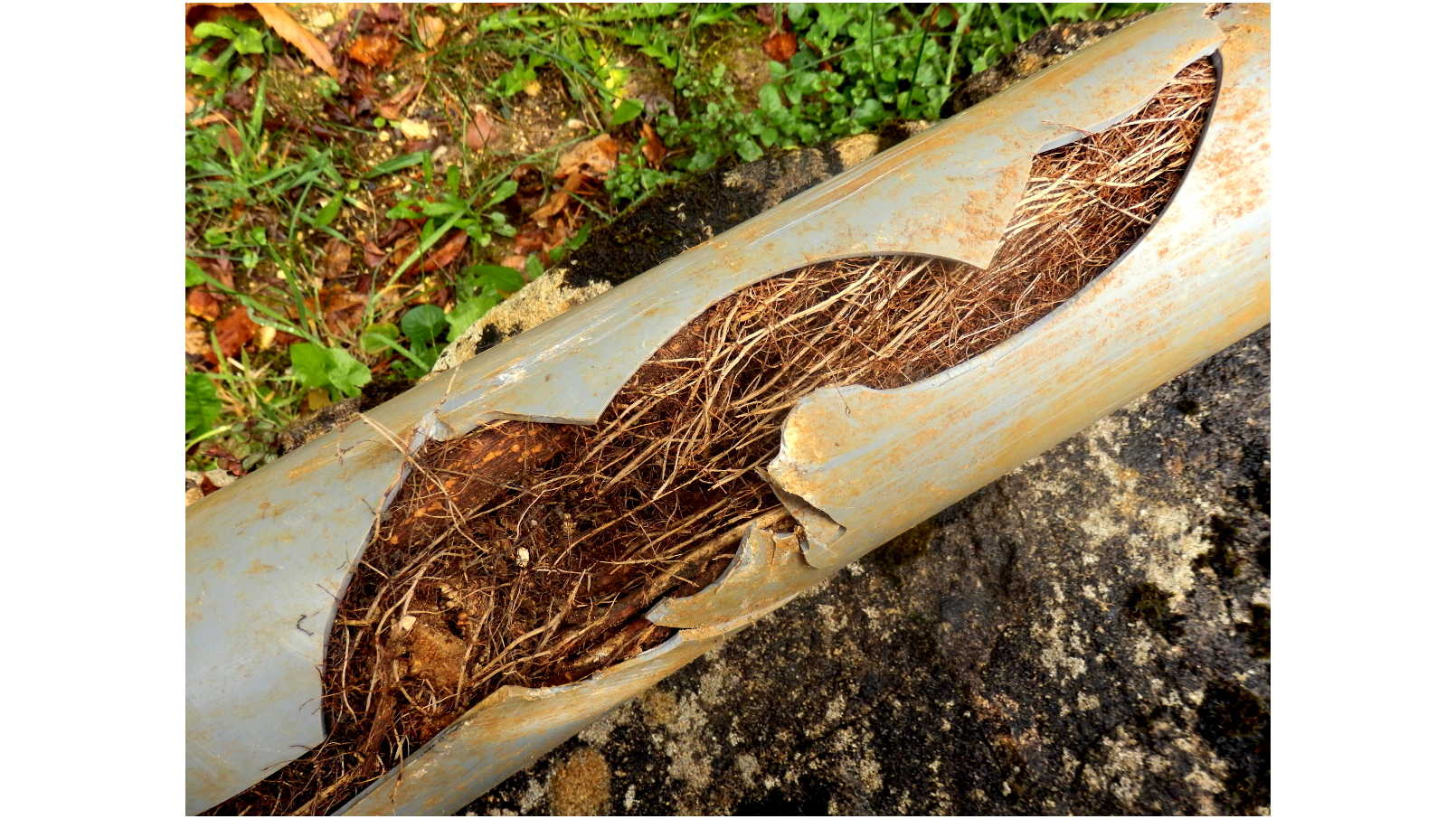
Established neighborhoods feature beautiful mature trees that create ongoing sewer line challenges. Trees planted decades ago when homes were built now have extensive root systems actively seeking moisture and nutrients. Clay pipes installed in homes from the 1950s-1980s develop small cracks and loose joints over time, creating perfect entry points for aggressive root growth.
Cast-iron pipes face similar vulnerability as they corrode and develop gaps that tree roots exploit. Once roots penetrate sewer lines, they grow rapidly inside pipes, creating massive blockages that traditional snaking only temporarily clears. Root intrusion causes recurring backups, slow drains, and eventually structural damage that requires complete pipe replacement if left unaddressed.
Trenchless Lining Prevents Future Root Penetration
CIPP pipe lining creates a seamless, root-resistant barrier that prevents future intrusion problems. The cured epoxy liner has no joints or weak points where roots can enter, and its smooth surface provides no texture for roots to grip even if they encounter the pipe exterior. This long-term protection makes trenchless lining especially valuable for properties with large trees that cannot be removed or relocated.
The smooth interior surface also improves drainage flow, reducing the standing water and organic matter that attract root growth in the first place. Homeowners often report fewer drain cleaning needs and elimination of recurring backup problems after trenchless lining installation, making it an excellent investment for properties with chronic root intrusion issues.
Most Projects Complete in 1-2 Days With Minimal Access Points
Small Entry Points Preserve Your Landscaping
Trenchless repair requires only small access holes—typically 3-4 feet square—at the beginning and end of the damaged pipe section. These entry points allow technicians to insert cameras, cleaning equipment, and repair materials without disturbing the vast majority of your property. Most access points can be positioned strategically to minimize impact on valuable landscaping, often utilizing existing cleanouts or choosing locations near property edges.
After repair completion, these small holes get backfilled and restored easily, often requiring nothing more than minor soil replacement and grass seed. The minimal disruption preserves established gardens, mature plants, and hardscaping investments that would be destroyed by traditional excavation methods. Property values remain protected since curb appeal stays intact throughout the repair process.
CIPP Often Completes Same-Day While Pipe Bursting Takes 1-2 Days
CIPP pipe lining projects frequently complete within a single working day for typical residential applications. The process involves cleaning the existing pipe, inserting the liner, inflating it into position, and curing the epoxy—usually accomplished in 4-8 hours depending on pipe length and access conditions. Homeowners can often use their plumbing normally by evening after morning installation.
Pipe bursting typically requires 1-2 days due to the more complex process of breaking the old pipe while installing replacement materials. However, this timeline still represents dramatic time savings compared to traditional excavation projects that can stretch for weeks. The speed of trenchless methods means less disruption to work schedules, family routines, and neighborhood traffic patterns.
50+ Year Durability Makes Trenchless the Smart Long-Term Investment
Modern trenchless materials offer exceptional longevity that often exceeds traditional pipe replacement options. CIPP linings carry manufacturer warranties of 50+ years and are engineered to resist root intrusion, chemical corrosion, and ground movement that commonly damage conventional pipes. The seamless construction eliminates joint failures that cause most traditional pipe problems over time.
Pipe bursting installations using HDPE materials also provide 50+ year service life with superior resistance to environmental stresses. The investment in trenchless repair often proves more cost-effective than traditional methods when viewed over decades rather than just initial installation costs. Fewer future repairs, reduced maintenance needs, and preserved property values make trenchless technology the financially smart choice for most Buena Park homeowners.
The durability advantage becomes important in seismic environments where ground movement can stress pipe joints and connections. Trenchless repairs create flexible, continuous pipe sections that better withstand earth movement compared to traditional jointed pipe systems that may develop leaks or separations during seismic events.
Camera Inspection Determines if Your Pipes Qualify for Trenchless Repair
Professional camera inspection serves as the crucial first step in determining whether your damaged sewer lines qualify for trenchless repair methods. A specialized waterproof camera snake travels through your pipes, transmitting real-time video that reveals the exact location, type, and severity of damage. This diagnostic process typically costs $235-$1,350 but provides essential information for choosing the most appropriate and cost-effective repair strategy.
Camera inspection identifies root intrusion patterns, crack locations, pipe material types, and structural integrity levels that determine whether CIPP lining or pipe bursting offers the best solution. Most damaged pipes qualify for trenchless repair unless they have suffered complete collapse, severe misalignment, or extensive structural failure. The inspection also reveals any surprises like unexpected pipe materials or utility conflicts that could affect repair planning and costs.
Early camera inspection often catches problems before they escalate into emergency situations requiring immediate, expensive repairs. Homeowners who schedule annual or biannual inspections—especially those with mature trees or older homes—can address minor issues through simple maintenance before they develop into major pipe failures requiring extensive repair work.
For expert trenchless sewer repair services that preserve your Buena Park property while delivering lasting results, visit Suburban Plumbing to learn more about their proven no-dig solutions.
Suburban Plumbing
14933 Adams Street
Midway City
CA
92655
United States
